
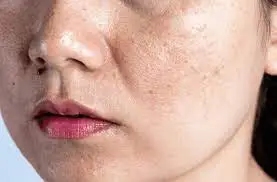
Most people start noticing changes within the first week or two, but cryotherapy healing doesn’t happen overnight. The skin goes through stages — first the reaction, then scabbing, then fresh skin appears, and finally everything blends in over time.
If the freeze was light, you’ll notice clearer skin fairly quickly. If the lesion was deeper, the healing can take a bit longer. Start your journey to clearer, healthier skin with Cryosonic Gateshead.
Generally:
- The first visible improvement: 1–2 weeks
- The big cosmetic improvements: 6–12 weeks
- Pigmentation blending (if you get light or dark patches): a few weeks to a few months
Think of it like your skin hitting the “reset” button — it just needs time to settle after the controlled damage created by the freezing.
What early healing signs should I expect immediately after treatment?
Right after the treatment, the skin often behaves exactly like you would expect from a cold burn. Most people notice:
- A warm, tingling sensation
- Redness or slight swelling
- A raised bump or blister forming later that day
It can look a little dramatic at first, but this is simply your skin’s natural response to being frozen. The area may feel tender for a day or two, but that usually fades quickly.

When does scabbing start, and is it normal?
Scabbing is completely normal — it’s simply your body protecting the treated area while it repairs itself.
A scab forms when your skin dries, hardens, and creates a natural “cover” over the spot that was frozen. Think of it as your body’s own bandage. Inside, fresh new skin cells are actively rebuilding.
Most people notice scabbing starting within 2–3 days after treatment. If you had a blister first, the blister usually dries out and then turns into a scab sooner. Discover how CryoPen works for age spots in Gateshead.
The scab may appear darker, rougher, or somewhat more dramatic than you expect — and none of that means it’s bad. It’s actually a marker of your healing being exactly where it needs to be! Underneath that tiny scab, your skin is healing — regenerating new healthy tissue to replace the treated area.
How long does a scab take to fall off naturally?
Once the scab forms, it usually falls off on its own somewhere between 7–14 days. Some body areas take longer (legs, toes, and thicker skin generally heal more slowly).
The most important rule: do not pick at it. Even if the edges are lifting or it looks “ready,” resist the urge. Removing it early:
- Slows your healing
- Can cause scarring
- Can create unwanted pigmentation
Let your skin decide when it’s time.
How can I prevent scarring after cryotherapy treatment in Gateshead?
Most scarring is preventable with gentle care. You only need to follow a few simple rules:
- Leave the scab alone — picking is the number one cause of unnecessary marks.
- Keep the area clean, and gently wash with mild soap.
- Use a tiny amount of Vaseline or a soothing ointment if recommended — this keeps the skin moisturised and stops the scab from cracking.
- Protect the area from the sun — new skin is extremely sensitive and tans or darkens easily.
- Avoid scrubs, peels, retinol, or any harsh skincare until everything has healed properly.
If you tend to scar easily or have darker skin, it’s worth being extra cautious with sun protection because those skin types are naturally more prone to pigmentation changes. See Here Why People in Gateshead chose US for Cryotherapy
Why do pigmentation changes happen after the scab falls off?
When the scab finally drops away, the skin underneath often looks lighter or darker than the surrounding area. This is completely normal.
The skin has just gone through controlled injury, so your pigment cells (melanocytes) can react in two ways:
- They slow down, causing a pale patch
- They jump into overdrive, causing a darker patch
It’s just your skin’s way of healing — and it doesn’t mean anything has gone wrong.

How long do pigmentation changes usually take to fade?
Pigmentation changes in virtually all cases fade, but they do so at their own pace.
Typical timelines:
Lighter skin types: 4–8 weeks | Darker skin types: 8–16 weeks or longer
This is one stage you can’t rush. However, wearing sunscreen daily can make a huge difference — sun exposure deepens pigmentation and stretches out the healing timeline.
When is the skin considered fully healed?
Your skin is considered “fully healed” when:
- The scab has fallen away
- The skin surface is smooth and intact
- The area no longer feels tender
- Pigmentation has stabilised (even if it’s still fading)
For most people, this stage lands somewhere around 6–12 weeks.
Some people heal quicker, some slower — all of it is normal as long as the area is gradually improving.
If the skin becomes increasingly painful, very red, warm to the touch, or starts oozing, that’s not normal healing — that’s a sign to contact your practitioner.

FAQs About Cryotherapy Healing, Scabbing & Pigmentation Changes in Gateshead
Q: Is it normal for the treated area to look worse before it looks better, Gateshead?
Yes. It’s very common for the spot to look red, swollen, blistered, or darker during the first few days. This is just the body’s natural response to the freeze and doesn’t reflect your final result.
Q: Will the scab be painful while it’s healing?
Most scabs feel dry or a little tight rather than painful. Some tenderness is normal, but sharp or worsening pain isn’t — that’s a sign to check in with your practitioner.
Q: Can I wet the area while the scab is still on?
Yes, gentle washing is fine. Avoid soaking (in the bathtub or swimming pool) and do not scrub. Do not wipe; pat the area dry.
Q: What if the scab comes off too early by accident?
Don’t panic. Clean the area gently, then apply a light layer of Vaseline. Do not irritate it further by changing or hiding it from the sun or by friction as your body heals.
Q: Is it normal for the skin underneath to look pink or shiny once the scab falls off?
Absolutely. Freshly healed skin always looks newer, lighter, or slightly shinier. It will gradually blend in over the coming weeks.
Q: Should I cover the treated area with a plaster while it’s healing Gateshead?
You don’t need to unless the area rubs against clothing, you’re outdoors a lot, or you’re worried about accidentally knocking it. If you do cover it, choose a breathable plaster and avoid anything too tight.
For further information, please get in touch with us today at 03300 100 392